Curious about how solar energy can work for you?
More homeowners and business owners are turning to solar power as a cost‑effective and sustainable energy solution. Expand each question below for a quick answer.
Solar panels absorb daylight and convert it into electricity using photovoltaic (PV) cells. You use that power in real time, export surplus to the grid, and (optionally) store it in a battery to use later.
In Bournemouth and across Dorset, installers will usually start with a quick survey to check roof space, shading (nearby trees/buildings), and cabling routes.
Most systems include an inverter (to convert DC to AC) and safety equipment, and are designed around your roof space and typical usage.
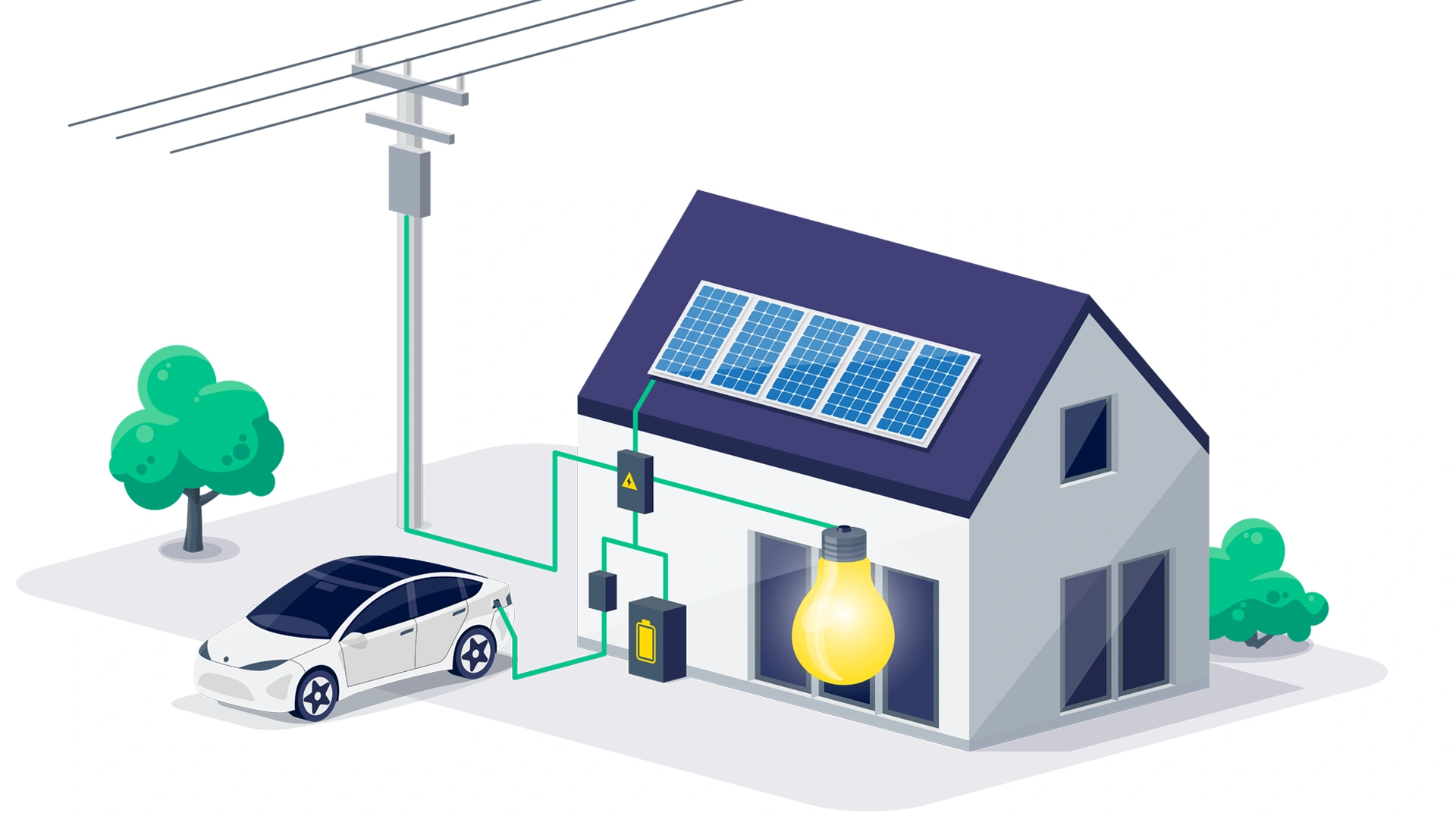
Savings depend on system size, roof direction/shading, your tariff, and how much electricity you use during daylight. Adding a battery can increase savings by storing daytime generation for evening use. The best way to estimate savings is to get quotes based on your roof and typical usage.
For Dorset homes, seasonal output changes are normal — you’ll typically see higher generation in spring/summer and lower in winter.
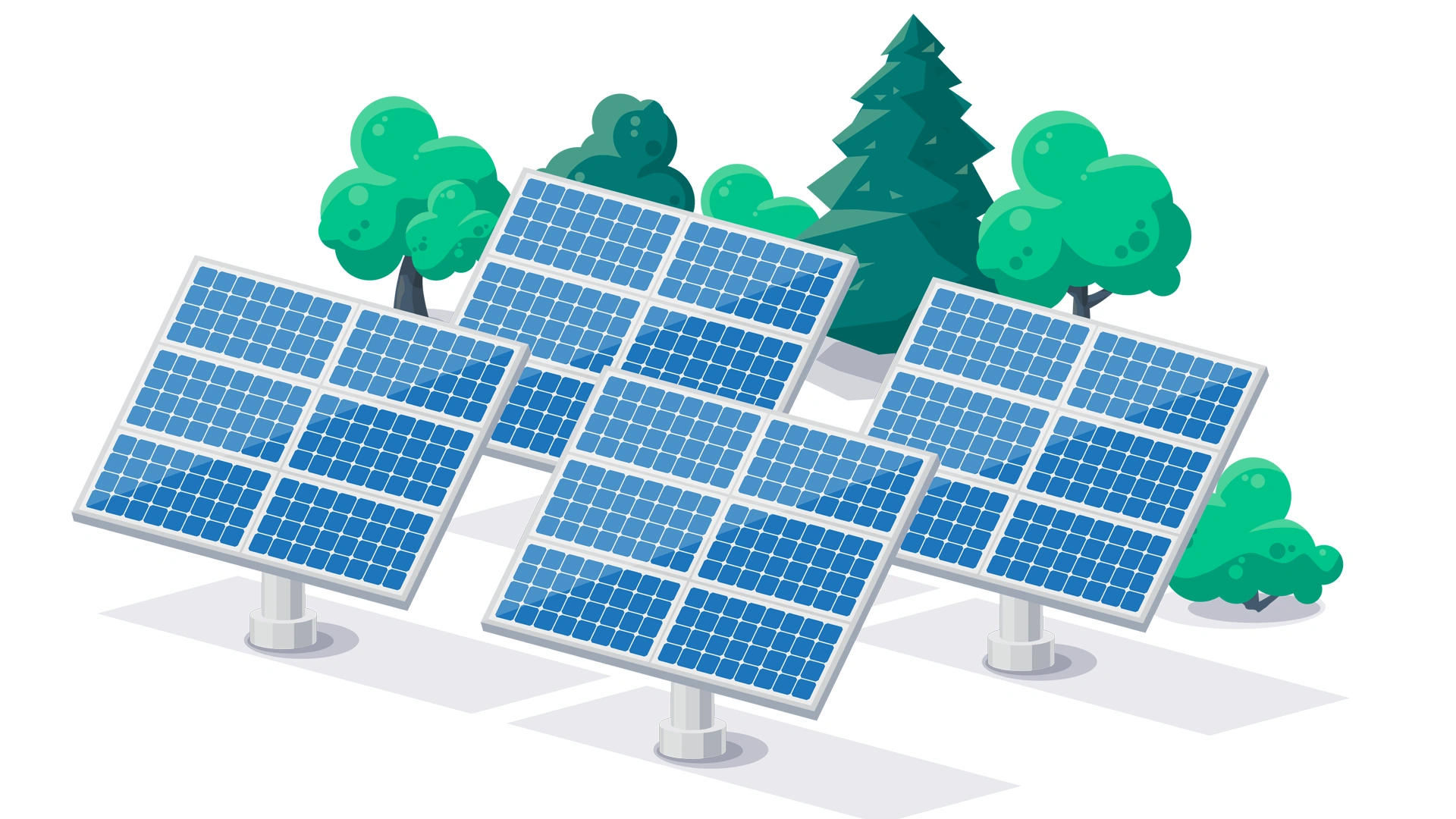
Many properties are suitable if the roof has enough space, minimal shading, and is in good condition. South‑facing is ideal, but east/west roofs can still perform well. Flat roofs and ground‑mounted systems can also work depending on space and planning.
If you’re in a conservation area or have a listed property around Bournemouth/Christchurch, your installer may advise on any extra planning considerations.
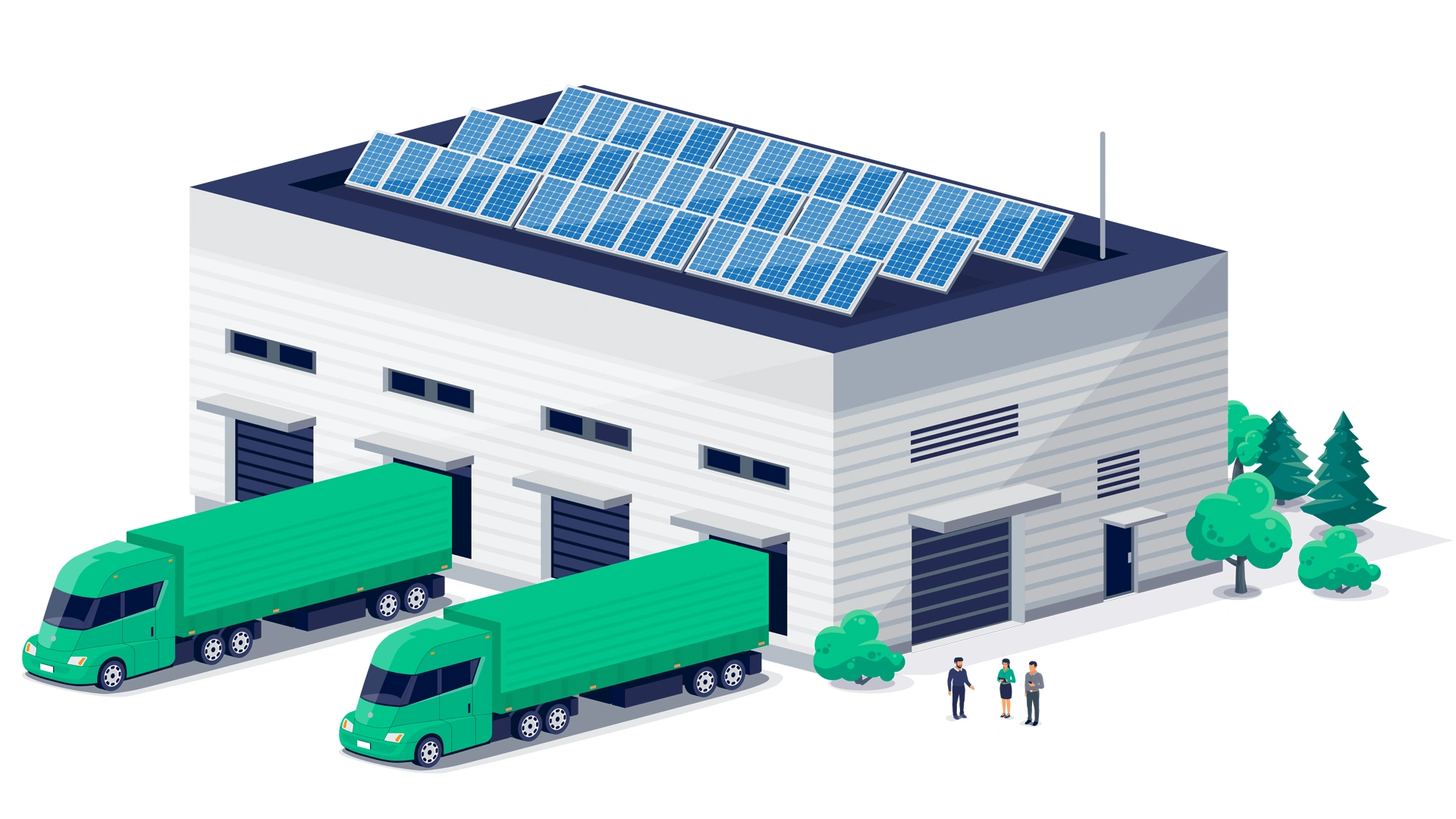
Most quality panels come with performance warranties around 25 years and can last longer, with gradual efficiency decline over time. Inverters typically have a shorter lifespan and may need replacing earlier.
A good installer will also check your roof condition first — especially on older Dorset properties — so you’re not fitting panels on a roof that needs work soon.
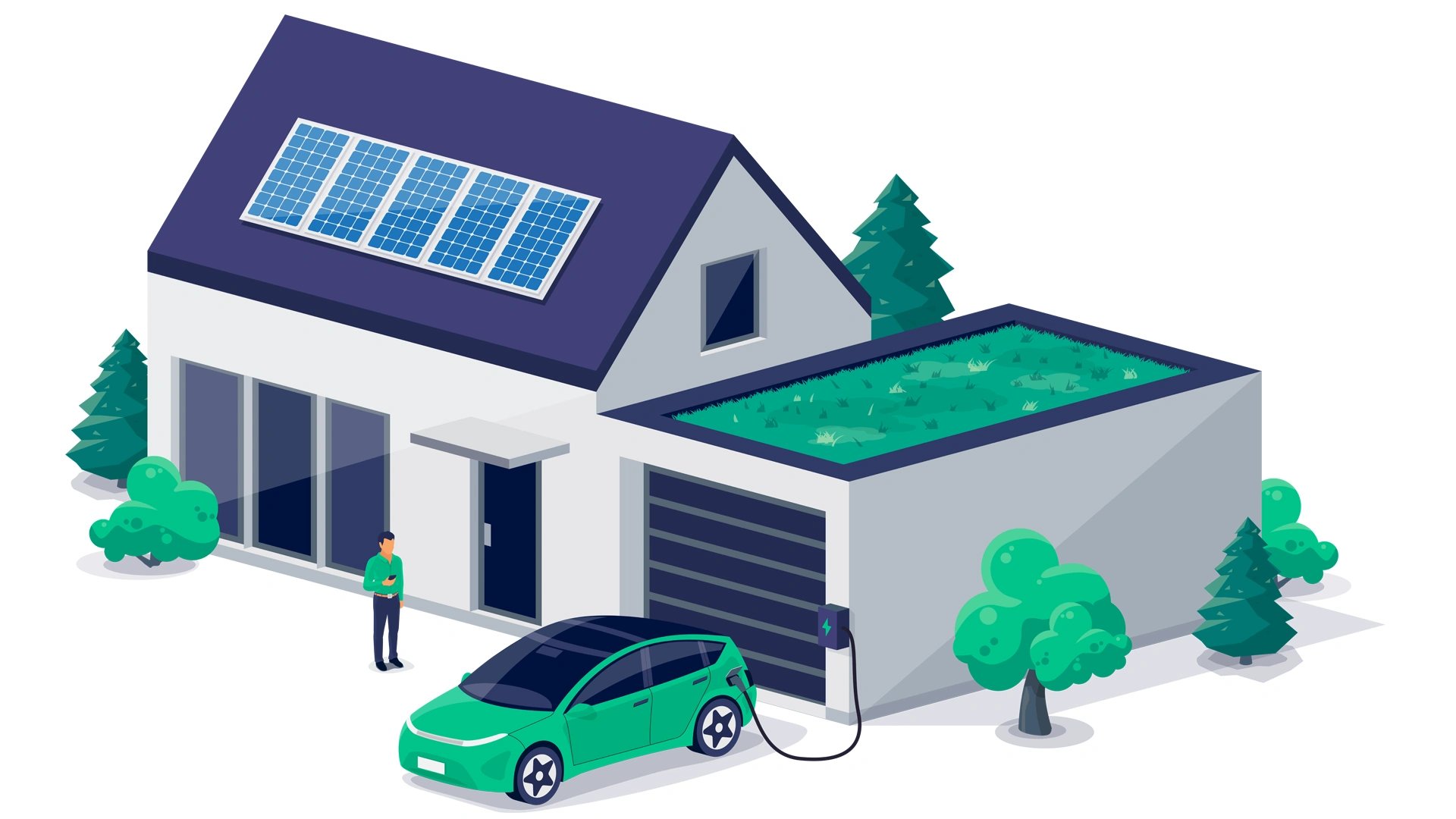
Yes. Output drops in heavy cloud, but panels still generate power from daylight. Production varies by weather and season, with summer typically producing the most.
Coastal weather in Dorset can be changeable — the key is designing the system around your yearly usage, not just peak summer days.
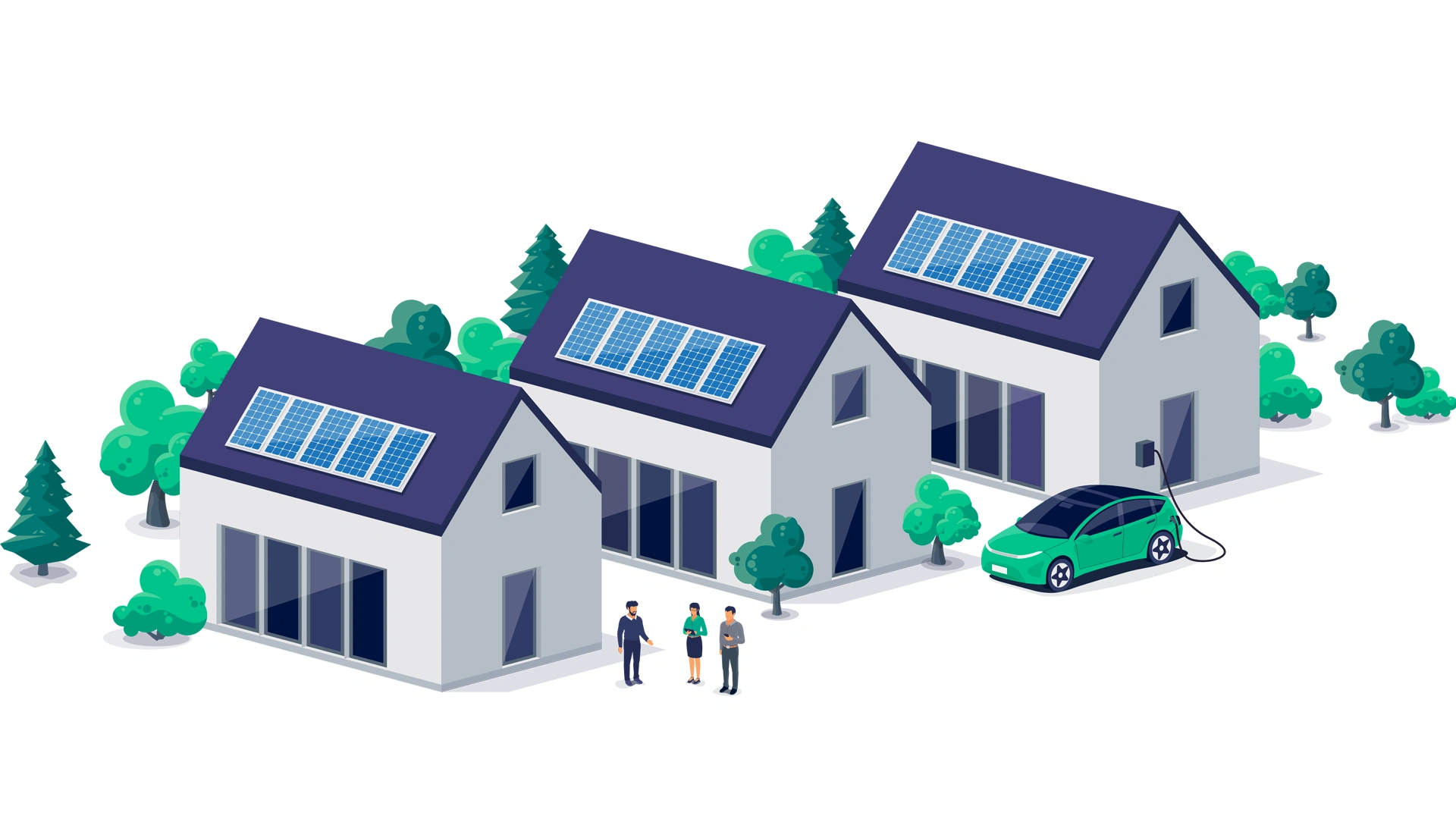
Incentives can include VAT relief (where eligible) and export payments via the Smart Export Guarantee (SEG) if you export surplus electricity to the grid. Rules and eligibility can change, so it’s worth checking the latest GOV.UK guidance when you request quotes.
Installers quoting in Bournemouth/Poole can usually include SEG-ready export metering requirements as part of the proposal.
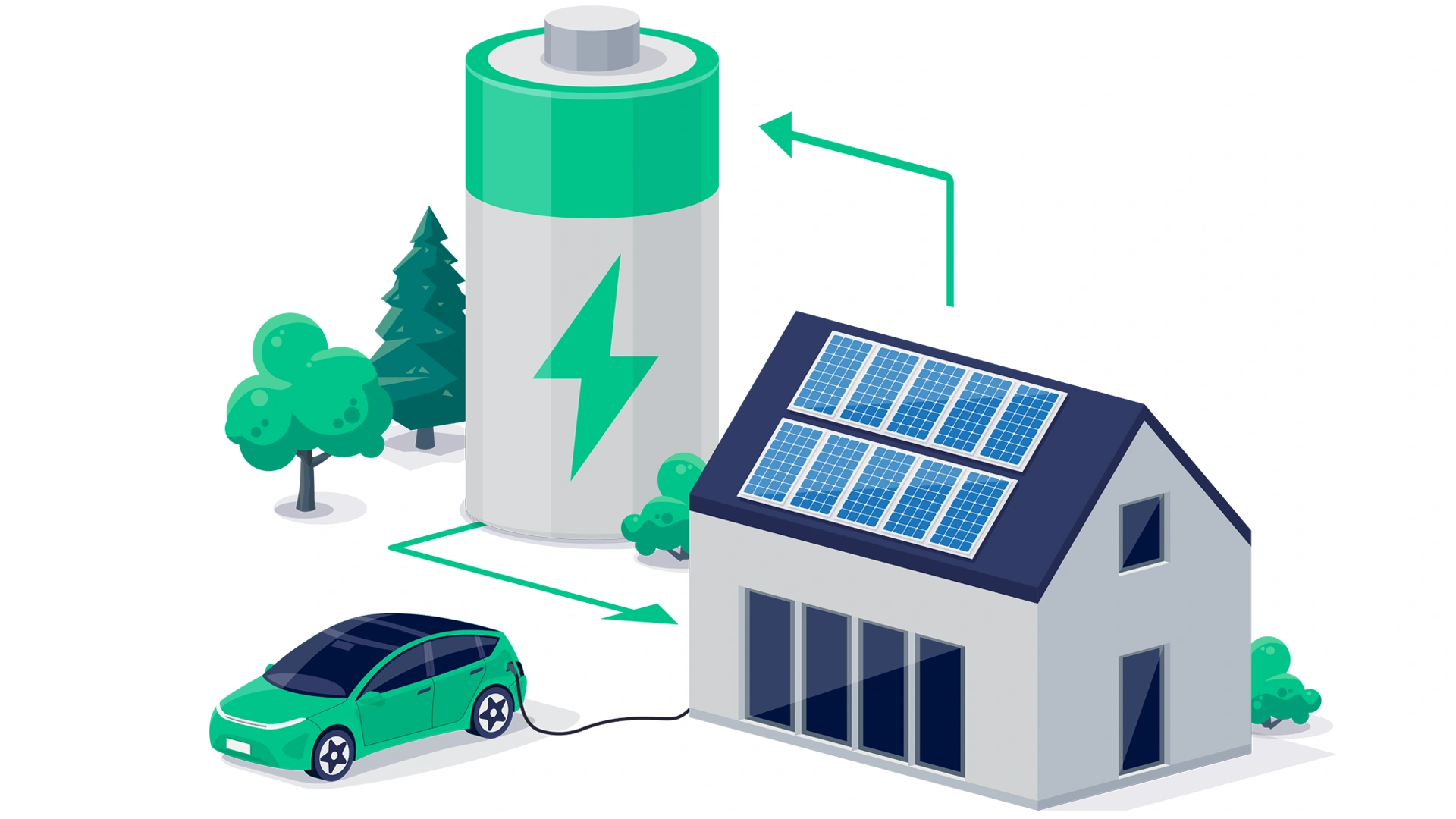
Many residential installs take 1–2 days once everything is ready. Commercial installs can take longer depending on size and access. Surveys, design, scaffolding and grid paperwork can also affect timelines.
In Dorset, scaffolding availability and weather windows can also influence scheduling, especially in winter months.
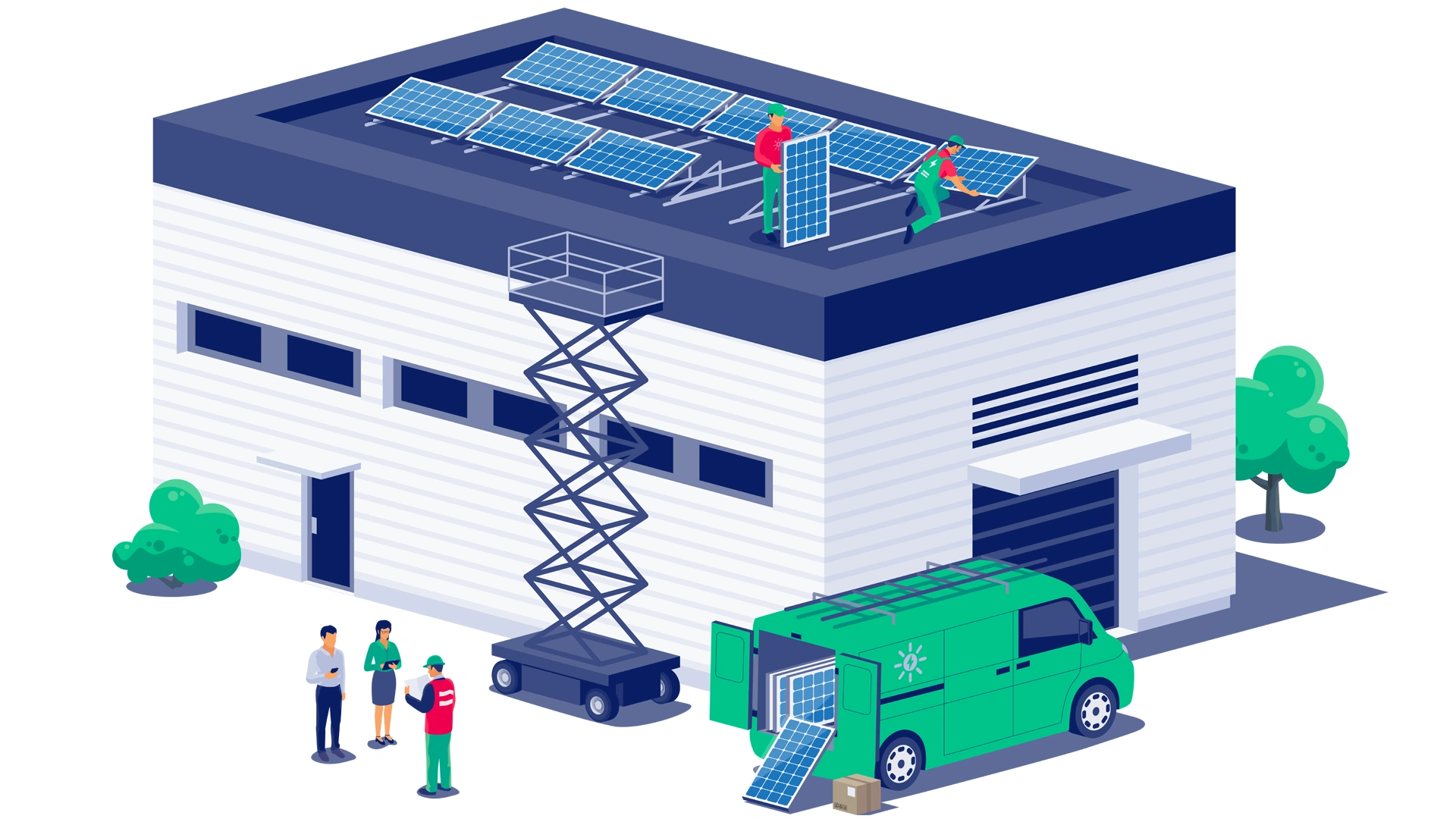
A battery stores excess solar generation so you can use it later (often evenings). It can boost self‑consumption and reduce grid reliance — but it’s not essential for every property. Quotes with and without a battery help you decide.
If you’re out during the day and home evenings (common for many Bournemouth households), a battery can make the numbers work better.
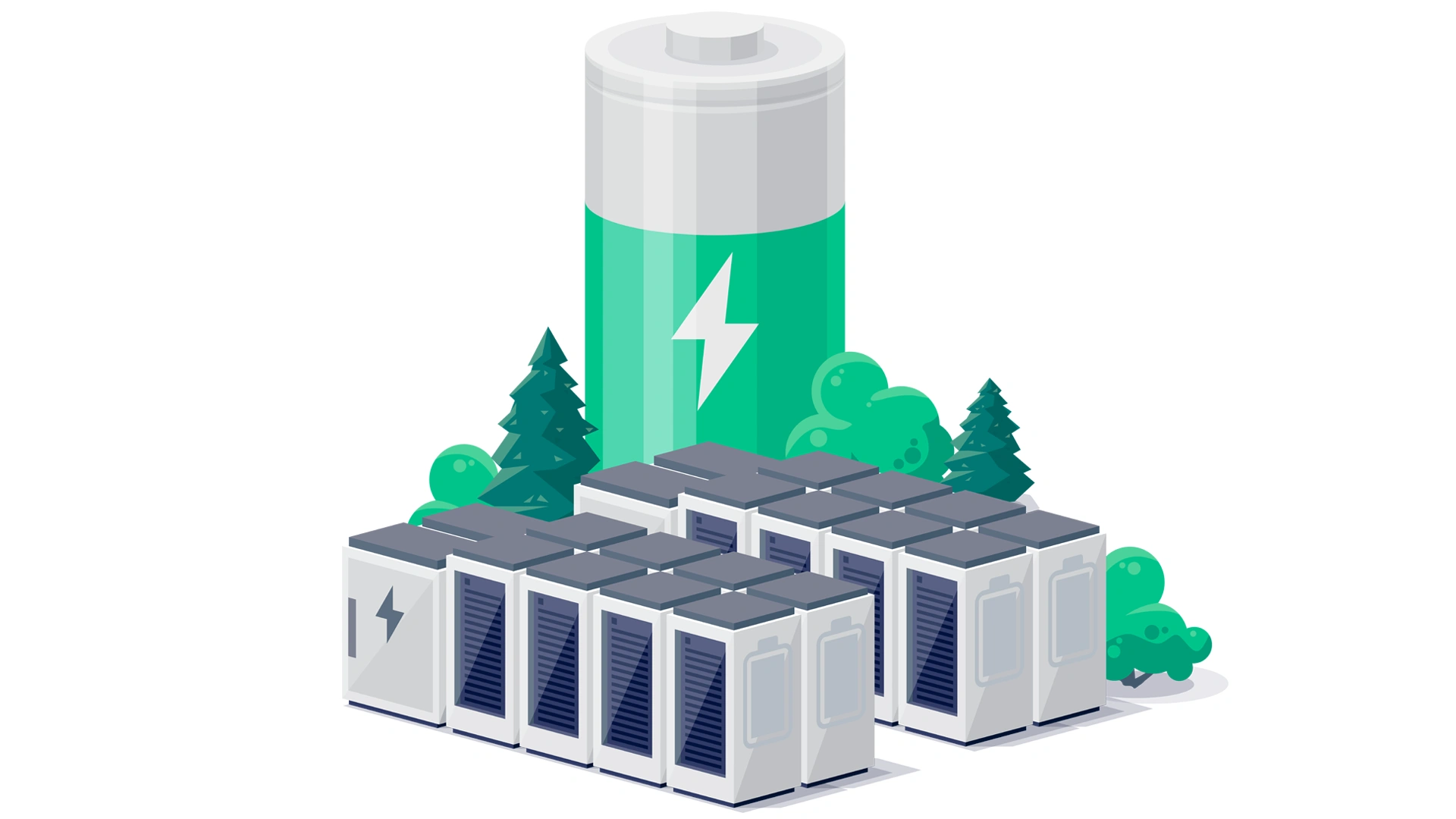
Most systems remain grid-connected. The grid covers times when solar generation is low (night/winter) and can accept surplus exports during sunny periods.
Your installer will advise on any local grid/export limits and paperwork for your area of Dorset.
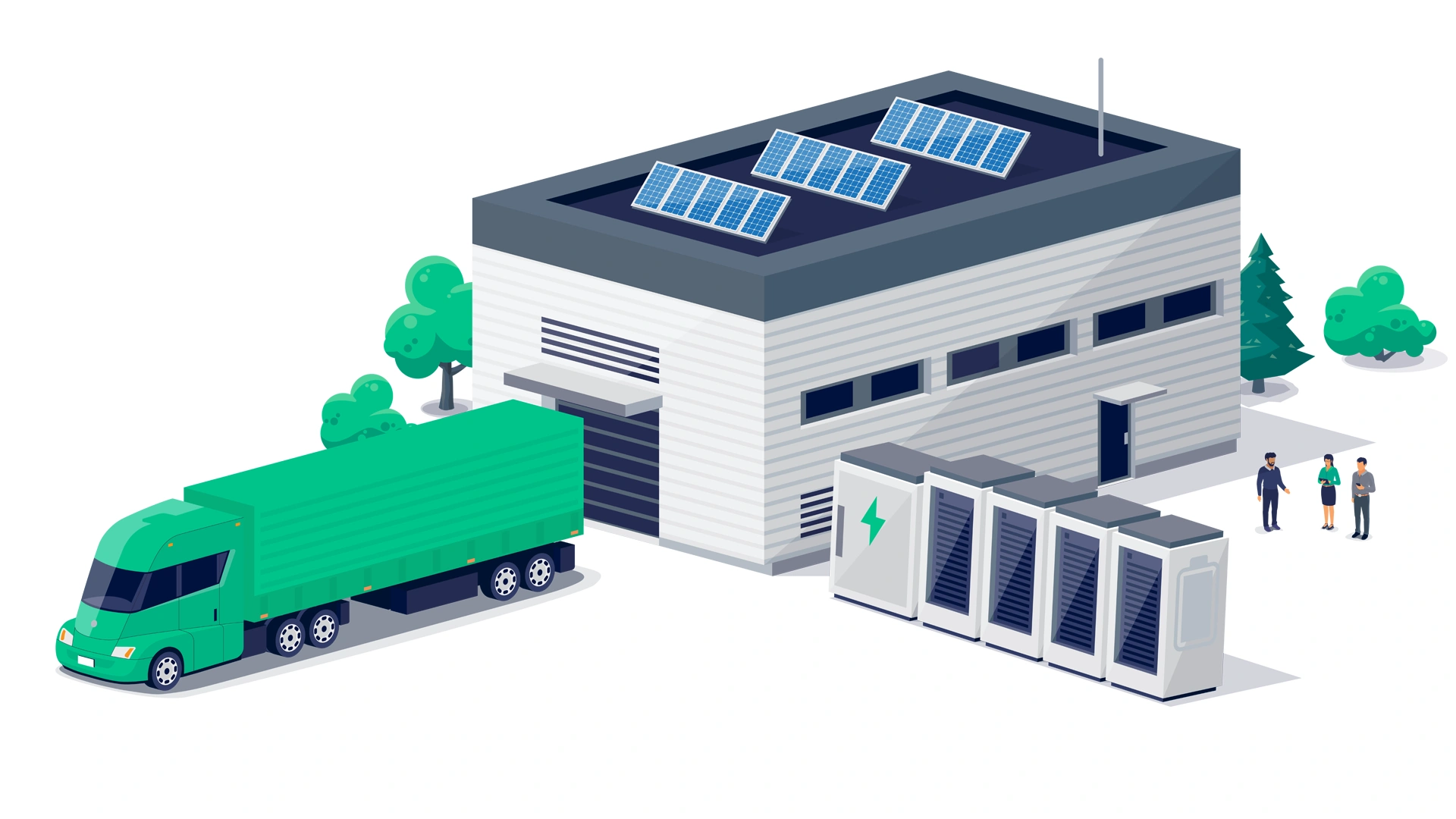
Solar panels are low maintenance. An occasional clean (if needed), keeping an eye on system monitoring, and a periodic check by a professional can help keep performance high. With no moving parts, wear and tear is usually minimal.
Near the coast, salt and debris can build up faster on some roofs — a gentle clean now and then can help.
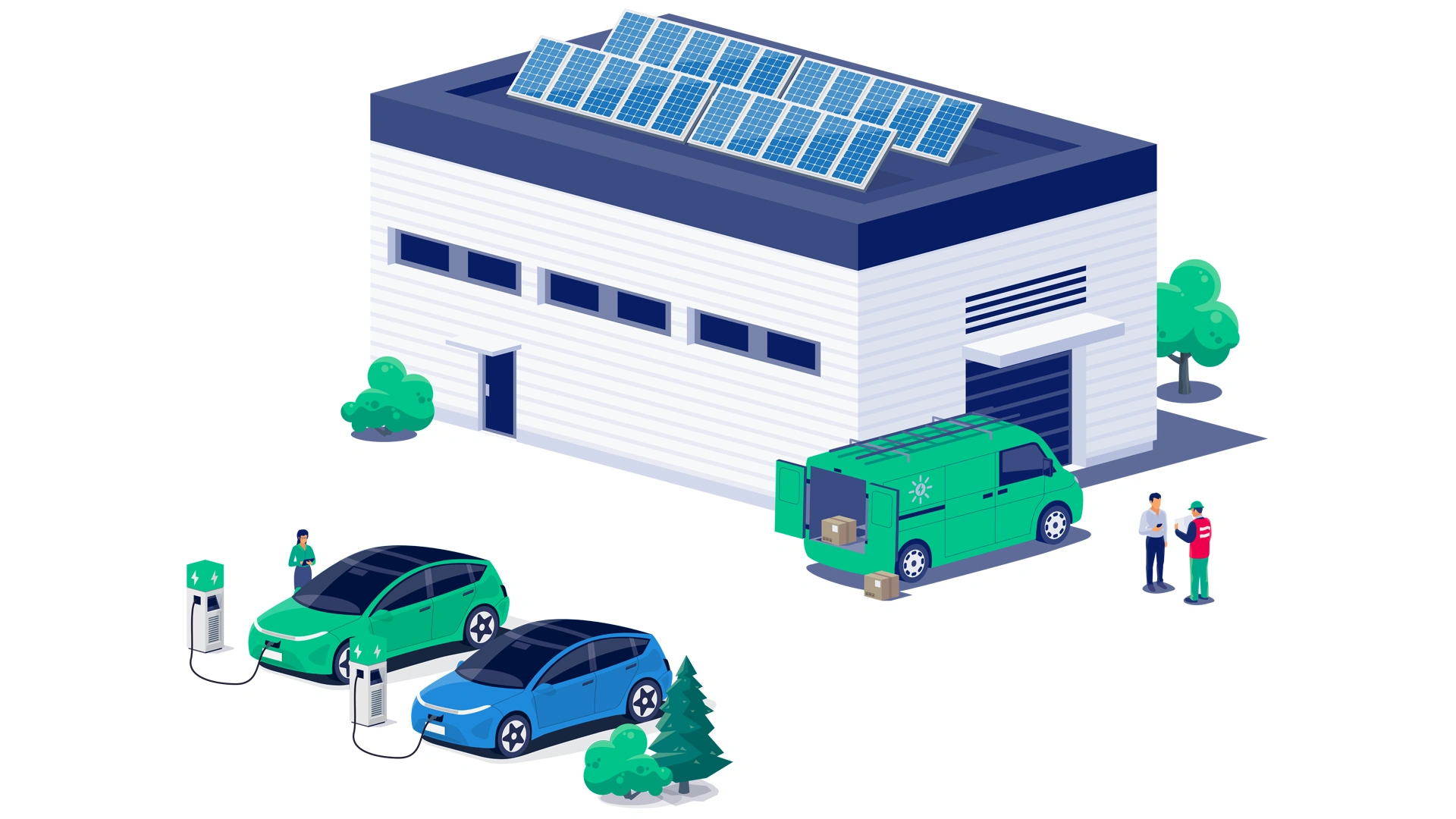
Take the First Step Towards a Greener Future
Ready to switch to solar? Get a free quote today and start saving on energy bills while contributing to a sustainable future.
For more expert insights on solar energy, visit our Solar Insights blog.
Get Your FREE Quote Today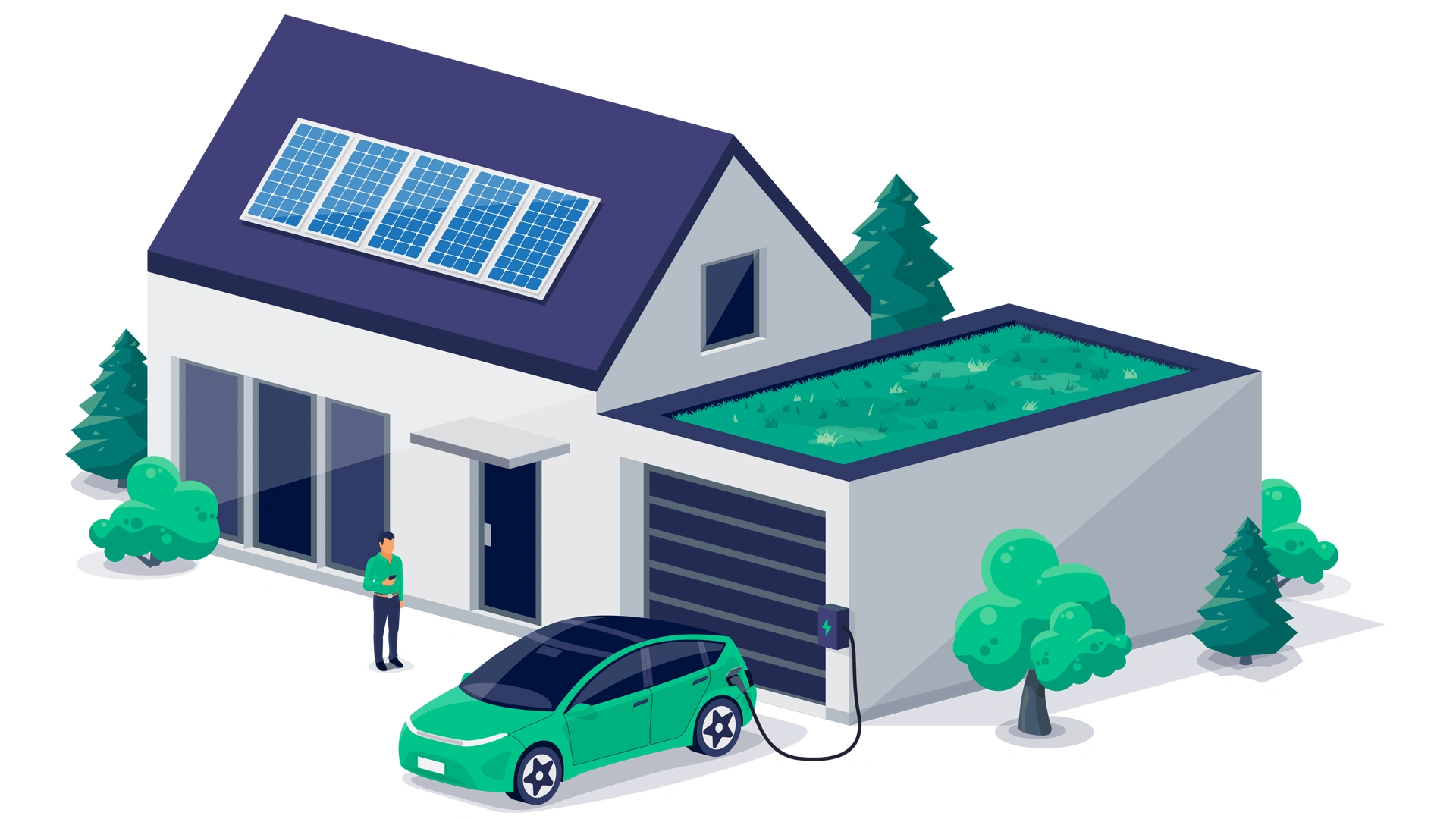
Still got a question?
If your question isn’t covered above, don’t worry — tell us a bit about your property and what you’re trying to achieve. We’ll point you to the right next step and help you compare quotes.